The Enduring Elegance of Script Style for Modern Branding
There’s a particular quality to a well-chosen handwritten font that digital text often lacks. It’s the subtle imperfection, the flow of a line that mimics a pen in hand, the inherent personality that a standard serif font or sans serif font simply can't replicate. This is where a typeface like Script Style finds its purpose. It’s not just another script font; it’s a carefully crafted tool designed to inject warmth, sophistication, and a human touch into a wide array of projects. As a premium font, it moves beyond the generic, offering a level of detail and versatility that makes it a serious contender for any designer's toolkit.
Decoding the Visual Personality
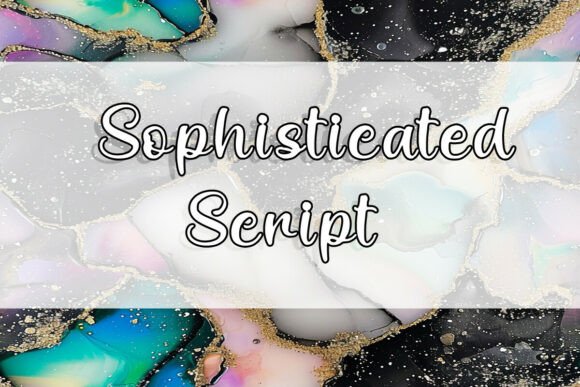
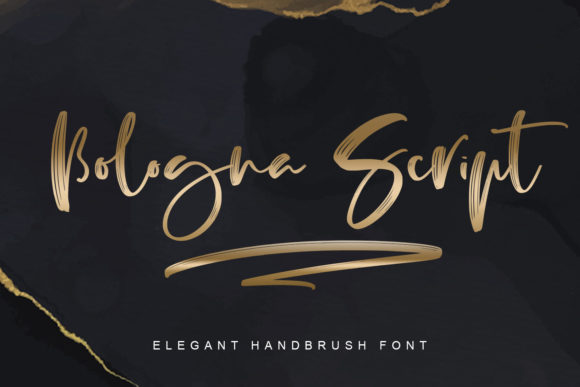
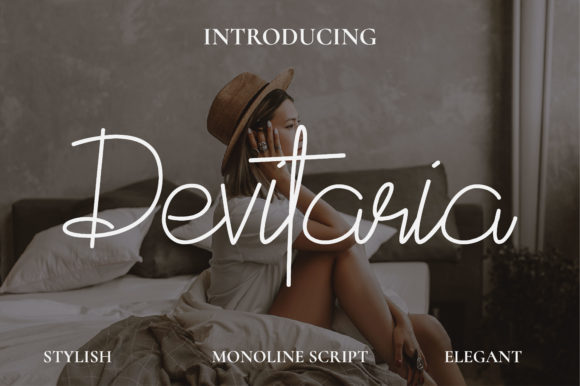
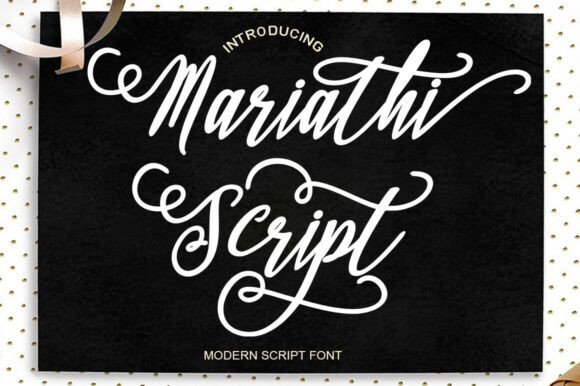
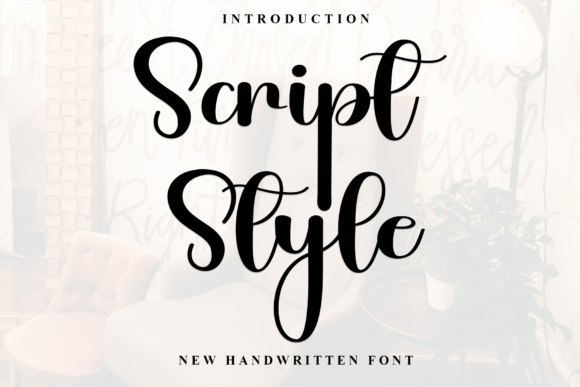
At first glance, Script Style presents a beautiful balance. It’s undeniably elegant, with flowing connections and a refined baseline that avoids the chaotic look of some casual scripts. Yet, it doesn’t feel overly formal or stuffy. The letterforms have a modern, clean confidence. Think of it as the typographic equivalent of a perfectly tailored blazer—classic in its lines but contemporary in its cut. The overall appeal is one of curated taste. It whispers quality rather than shouting it, making it an excellent choice for projects where the goal is to communicate trust, creativity, and attention to detail. The consistent weight and thoughtful spacing ensure it feels cohesive, a critical trait for any creative font intended for professional use.
Where This Handwritten Font Truly Shines
The real test of any typeface is its application. Script Style excels in contexts where personality and elegance need to coexist. Its strengths are particularly evident in several key areas of modern typography and design.
Brand Identity and Logo Design
For a brand seeking an identity that feels both personal and polished, this font is a powerful asset. In logo design, it can serve as the primary logotype for boutique businesses, artisanal products, wellness brands, or high-end services. It works beautifully for a café wanting to evoke homemade charm or a consultant aiming for a client-centric, approachable feel. Paired with a simple sans serif font for body copy, it creates a dynamic and readable font pairing that establishes a clear visual hierarchy. The key is ensuring the brand’s voice aligns with the font’s elegant, modern personality.
Invitations, Stationery, and Editorial Projects
This is the natural habitat for a script font of this caliber. Wedding suites, event invitations, and premium stationery benefit immensely from its refined character. It sets a tone of celebration and importance. In editorial design, such as magazine headlines or chapter openers, Script Style can draw the reader in, creating a focal point that guides the eye. It’s less suited for lengthy body text but perfect for pull quotes, section headers, and titles where impact and personality are paramount.
Digital Presence: Web and Social Media
Contrary to old beliefs, a handwritten font like this has a firm place in digital spaces. In web design, it can be used sparingly but effectively—for a compelling hero section headline, a stylized call-to-action, or to highlight a special offer. Its readability at larger sizes makes it a safe choice for these prominent placements. For social media graphics, it’s a game-changer. Instagram posts, Pinterest pins, and Facebook covers can leverage Script Style to create visuals that stop the scroll, offering a break from the uniformity of system fonts and adding a layer of crafted authenticity.
Packaging and Product Labels
On physical products, the font communicates directly to the consumer. It’s ideal for packaging design for cosmetics, gourmet foods, candles, or specialty goods. The elegant script suggests a premium product inside, influencing perception before the customer even tries it. It works on labels, boxes, and tags, especially when combined with a clean, legible font for necessary information like ingredients or instructions.
Practical Guidance for Implementation
Choosing a commercial font like Script Style is an investment. To ensure a good return, a thoughtful approach is necessary.
Evaluate the Fit: Before downloading, ask if the font’s personality matches your project’s goals. Is your brand voice sophisticated? Is your event formal? Does your product aim for a luxury feel? If the answer is yes, it’s a strong candidate. If you’re designing for a tech startup or a children’s brand, you might need something with a different energy.
Test Font Pairings Relentlessly: Never use a display font like this in isolation. Its true power is unlocked in combination. Pair it with a neutral serif font for a classic, authoritative look, or with a geometric sans serif font for a clean, modern contrast. Test these combinations at various sizes to ensure the secondary font remains highly readable for longer text blocks.
Leverage the Full Character Set: The note that Script Style is PUA encoded is significant. This means all the decorative swashes, alternate letters, and ligatures are easily accessible, even in basic design software. Don’t just type with the default letters. Explore the glyphs panel to add unique flourishes to key letters—like a capital ‘S’ or ‘B’—to create truly custom and memorable logo design or headline treatments.
Mind the Readability: The cardinal rule with any script font is to prioritize clarity. Use it for headlines, titles, and short phrases. Avoid setting paragraphs of body copy in it. Ensure there is sufficient contrast between the text and its background, and be mindful of tracking (letter-spacing); a little extra space can improve legibility without sacrificing the font’s connected nature.
Understand the License: As a premium font, confirm its licensing covers your intended use—whether for personal projects, client work, or products for sale. This is a standard but crucial step for any design asset.
In the end, integrating a typeface like Script Style is about adding a specific voice to your visual language. It’s a tool for telling a story of elegance, care, and modern craft. Used thoughtfully, it elevates projects from the ordinary to the memorable, making it a valuable addition to the repertoire of any designer, entrepreneur, or creative professional aiming to build a distinctive and engaging brand identity.